The State of School Safety: What the Latest USSS BTAM Report Tells Us
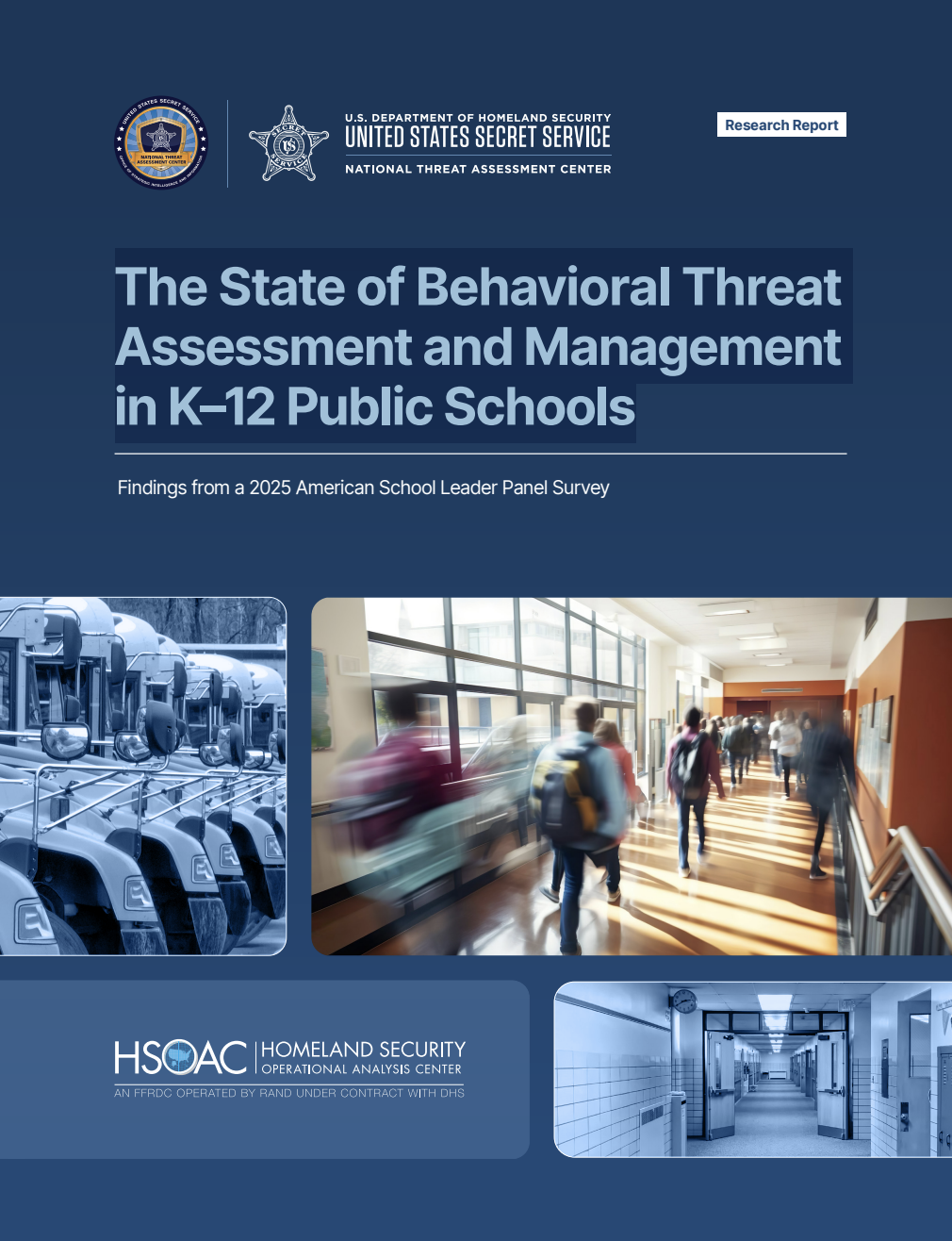
The U.S. Secret Service’s National Threat Assessment Center (NTAC) has released a sweeping 163-page review examining how K–12 schools across the country are implementing Behavioral Threat Assessment and Management (BTAM) practices. This new publication builds on earlier foundational research, including the U.S. Secret Service’s analysis of targeted school violence in Averting School Violence and Protecting America’s Schools. It is the most comprehensive national snapshot of school threat assessment programs to date that is rich with data, patterns, and lessons that matter for every parent, educator, policymaker, and safety professional.
The length alone may be daunting, but within the pages lies a clear message: BTAM is now firmly embedded in America’s schools, and the national conversation must shift from whether schools are using threat assessment to how well they are doing it.
What the Data Shows
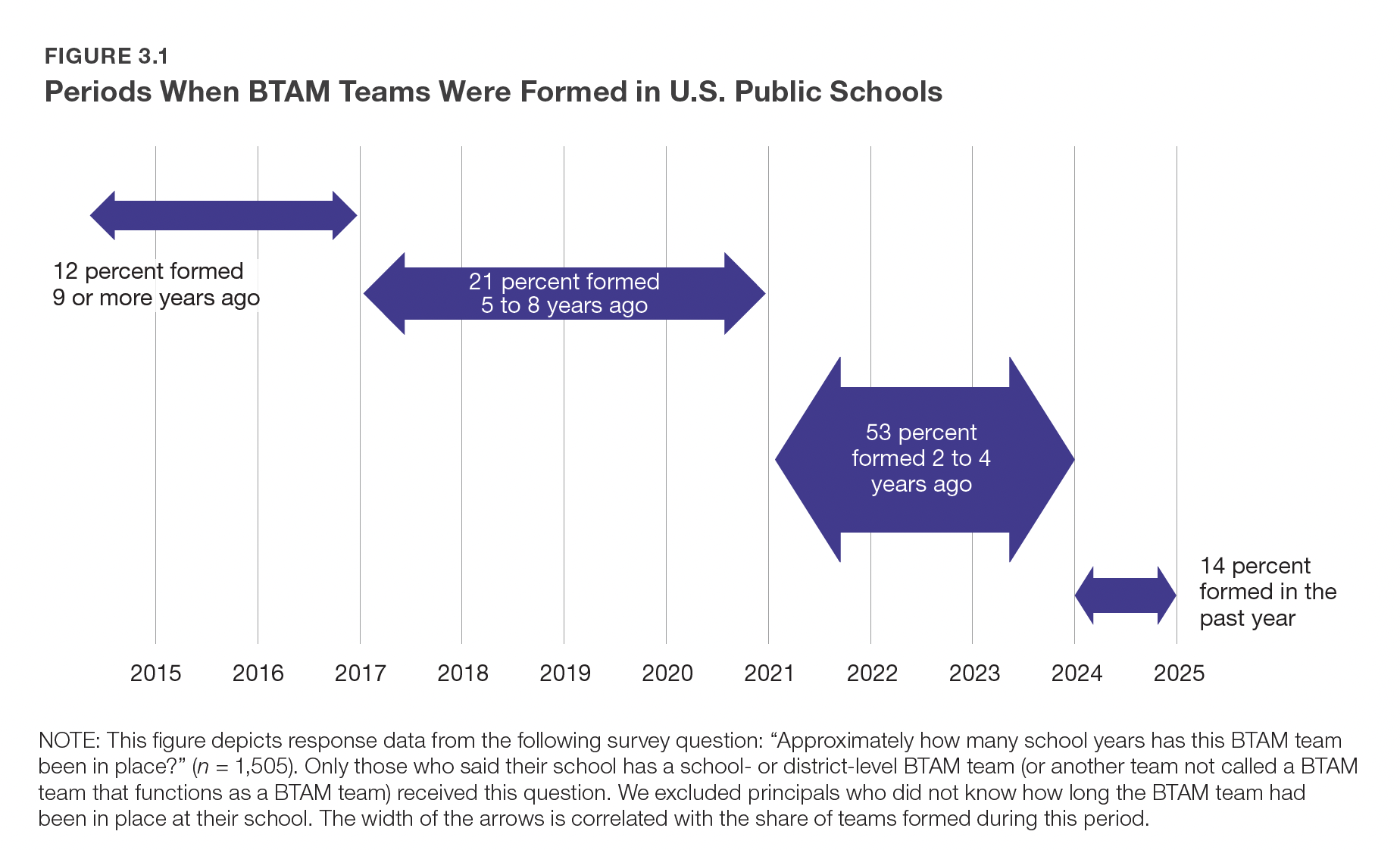
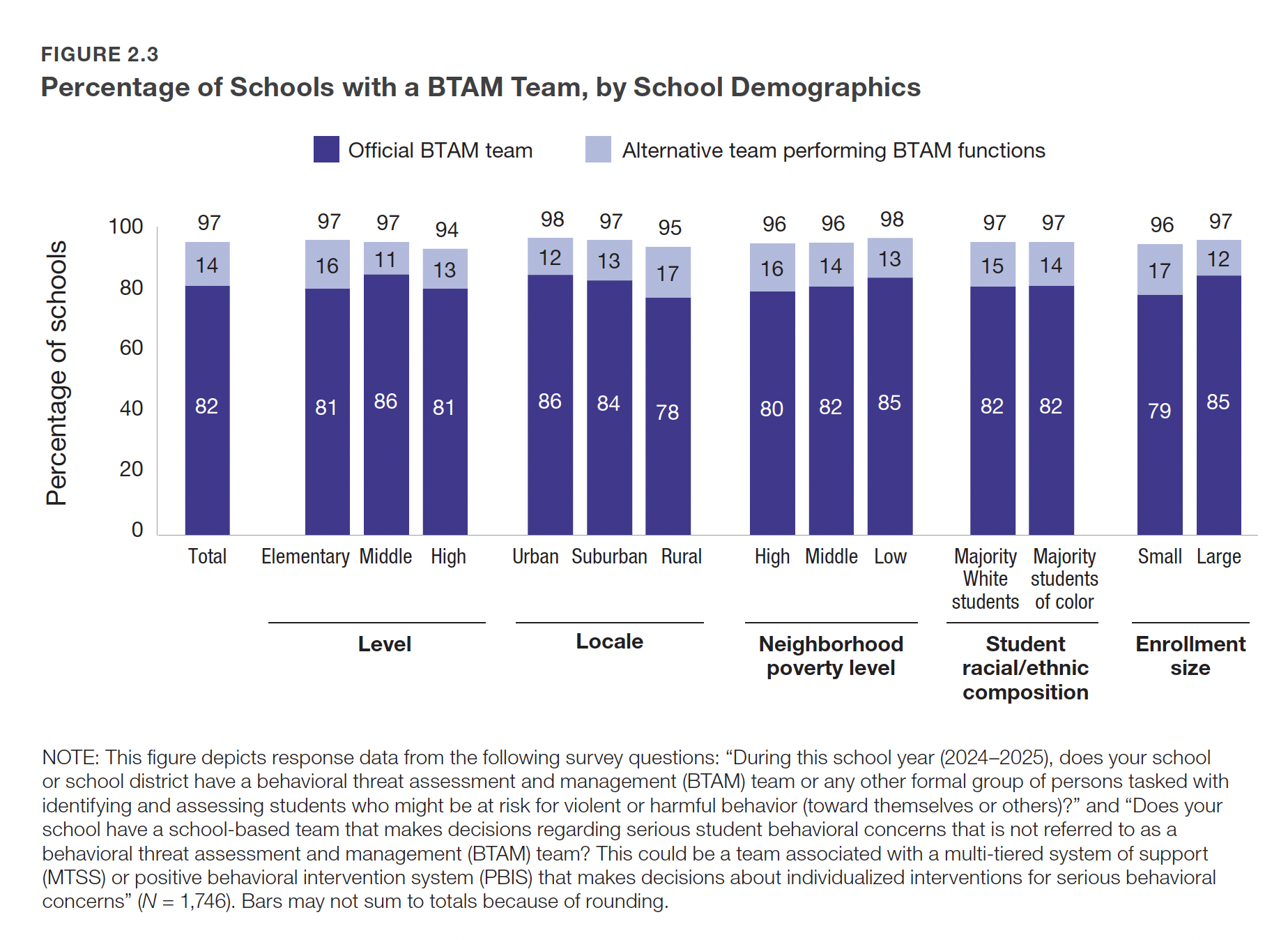
The survey, based on input from 1,746 school leaders, confirms that BTAM teams are widely adopted across the country. That is a critical milestone. But adoption alone does not ensure impact. The real question, the one this report tries to answer, is how effectively these teams are being trained, supported, and integrated into everyday school life.
Several key findings are worth spotlighting:
1. Schools are using BTAM for the right reasons.
Principals reported that teams are activated for genuine safety concerns like potential violence, threats of self-harm, and significant behavioral crises, rather than routine discipline issues. This is exactly what BTAM was designed for.
2. BTAM programs are reducing fear and violence.
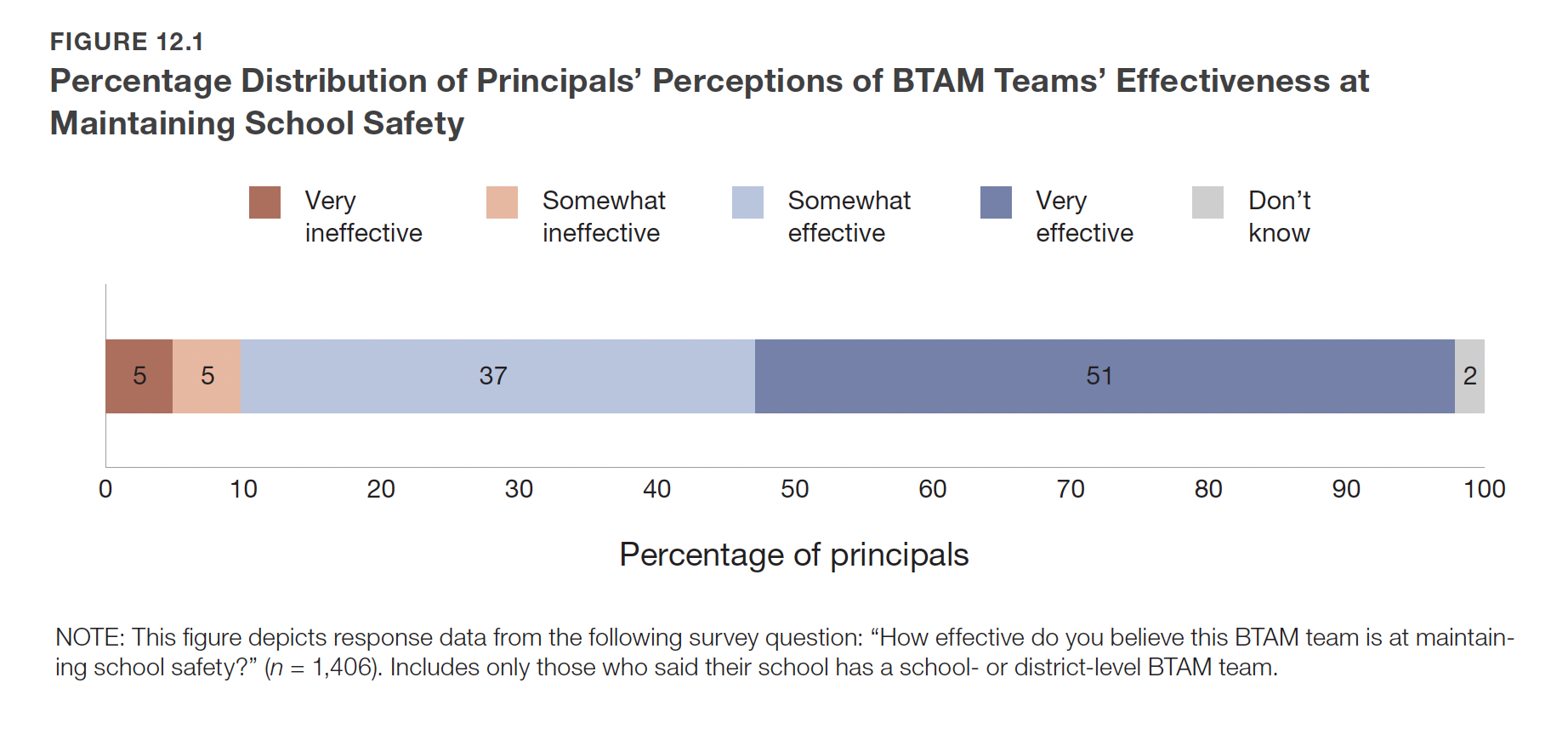
Across the board, principals overwhelmingly agreed that threat assessment teams help reduce violence, fear, and self-harm in their school communities. When implemented correctly, BTAM builds a safer climate rather than a punitive one.
3. Supportive interventions are replacing punitive responses.
Suspensions, expulsions, and arrests are being used less frequently in these cases. Instead, schools are leaning on mental health support, conflict resolution, and proactive interventions, approaches shown to defuse issues before they escalate.
4. The biggest challenges remain consistent nationwide.
Despite broad adoption, schools struggle with the same core issues:
· Training: Many teams still lack standardized, evidence-based preparation.
· Process: Threat assessment procedures vary widely from district to district.
· Consistency: Implementation is uneven across states.
· Parent engagement: Nearly one-third of principals identified a lack of parental participation as a top barrier.
These gaps matter. In critical moments, inconsistency can translate to missed warning signs or incomplete follow-through.
Where to Start: Appendix A
The full report is dense. Safety professionals might call it “a two-cup-of-coffee or several Diet Coke type of read.” For anyone unsure where to begin, Appendix A offers an unexpectedly accessible roadmap. The appendix outlines the survey questions principals answered, which doubles as a diagnostic checklist for evaluating your own district’s readiness.
Parents, teachers, community leaders, and school administrators can walk through these questions to see whether their BTAM program is meeting essential standards or missing foundational steps.
To further support understanding and implementation, the National Association of School Psychologists offers a multidisciplinary perspective in its Behavioral Threat Assessment and Management guidance, emphasizing student-centered, supportive approaches.
Why BTAM Matters Now More Than Ever
Threat assessment is not about predicting the future but rather about recognizing behavioral patterns and intervening early when something feels off. With the right training, consistent processes, and community engagement, BTAM teams help prevent tragedies and cultivate healthier, more connected school environments.
Strong programs:
· build trust between students and adults,
· identify youth in crisis more quickly,
· reduce reliance on punitive discipline, and
· create a safer climate where concerns are heard early, not after harm occurs.
Years ago, when I was volun-told to build the FBI’s Active Shooter Program, BTAM was still a new concept in many districts. Today, the practice is nearly universal, and that progress cannot be understated. But the work is not done. The next chapter requires better training, clearer standards, and community-wide involvement.
To support that next chapter, the National Center for School Safety offers federally funded training and resources designed specifically to help schools strengthen their BTAM procedures and improve consistency across districts.
The hope, of course, is that one day the need for national BTAM evaluations will fade. Until then, strengthening these programs remains one of the most effective tools we have to keep students safe.
Explore the Full Report
For readers who want to dig deeper, the complete U.S. Secret Service/DHS report is available at the top of the Resources page of this site. It is a substantial read and provides the detailed data behind these national trends. Access it by clicking the link below.
To continue exploring how schools can prevent violence and protect students, you can also explore Katherine’s other work on school safety, threat assessment, and violence prevention via her award-winning books, podcast, and executive security consulting.